Knee
Knee Ankle
Ankle Shoulder
 Back
Back Wrist
Wrist

 Medical Compression
 Compression Wear
 Medical Supports
 Sports Supports
 Insoles


 Running
 Basketball
 Tennis
 Hiking
 Volleyball
 Surfing
 Golf
Golf Rugby
Rugby Skiing
 Cycling






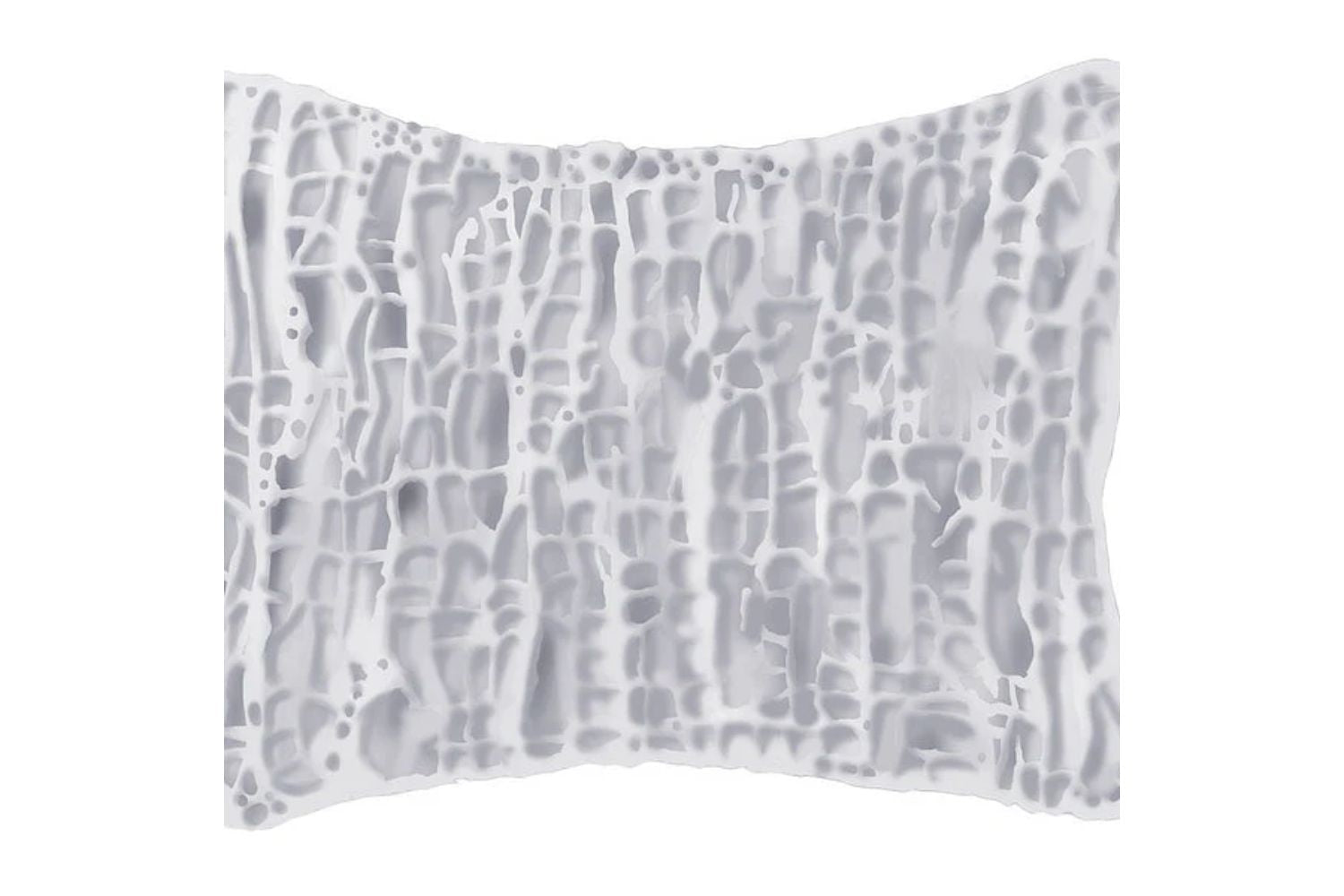
The skeletal system is the scaffold of the human body. It provides a rigid structure to our bodies and serves as a protective shell for delicate soft tissues and organs. The skeletal system is a robust collection of bones that are constantly renewed with calcium phosphate.
Some patients experience an excessive decrease in bone density and often develop porous bones, which are prone to fractures and injury. Doctors refer to this condition as Osteoporosis.
Causes of Osteoporosis
Osteoporosis is a metabolic disease of the bones. The commonly known causes of the condition include:
- An imbalance between the formation of new bone and the resorption of old bone. This leads to a drop in bone density and increased porosity of the bones.
- Lack of certain hormones, especially estrogen in women and androgen in men, typical in people with aging (for example, hitting menopause in women results in lowered levels of estrogen) can lead to developing osteoporosis.
- A lack of or a deficiency of enough calcium in a patient’s diet can lead to insufficient minerals to reinforce the bones. The body may also leech calcium from the bones to maintain healthy blood calcium levels. Similarly, unhealthy diets and acidic foods can also leech calcium from the bones and can lead to osteoporosis.
- Certain diseases and conditions can lead to bone porosity, such as thyroid problems, bone cancer, rheumatism, and genetic disorders.
- Overuse of corticosteroids.
- A history of osteoporosis in the family.
- Unhealthy lifestyle choices like smoking, heavy alcohol consumption, and a lack of exercise.
Osteoporosis Symptoms
Osteoporosis is a rather tricky disease to diagnose. The initial symptoms often mask as natural pains and aches due to progressive age. At the onset, there is no pain and hardly any symptoms on the outside. Some of the most commonly associated symptoms with Osteoporosis include:
- Patients often complain of weakness in the back. This feeling is generalised throughout the back and cannot be localised.
- Loss of bone density and the development of brittle porous bones.
- There is a slight pain in the back in the initial stages of the condition.
- The disease is hard to detect and tends to progress. In advanced stages, persistent pain in the back begins to spread to other bones throughout the skeletal system.
- There is an increased risk of fractures and injuries. Simple activities like everyday movement, heavy sneezing, or heavy lifting can lead to a fracture. For example, a vertebral fracture can result in loss of body height or the development of a hunched back.
- The psychological impact of Osteoporosis restricts patients from moving too much and can, in turn, lead to a loss in muscle density due to inactivity. The weak muscles further increase the risk of injury, and thus begins a vicious cycle of injury and degeneration.
- Chronic cases of Osteoporosis are very difficult to treat. Loss of bone density is hard to reverse, and it can lead to permanently restricted mobility. There is a significant impact on a patient’s quality of life.
It is highly recommended that immediate medical attention be sought at the first sign of symptoms. Tests to diagnose the condition should be conducted regularly from the age of 50.
Osteoporosis can lead to porous bones throughout the body and, depending on the area, can lead to the development of associated symptoms. For example, the weakness of the rib cage can hamper the functioning of the lungs and result in shortness of breath. The condition also exposes other systems to the possibility of increased pressure, bleeding, and inflammation.
Diagnosis of Osteoporosis
A complete medical history and physical examination are good places to start, giving the medical professional a good idea of the risk factors involved. It is crucial to measure bone density and track it to diagnose Osteoporosis. Doctors achieve this with the so-called T-value through imaging technology like X-rays.
According to the definition of the World Health Organisation (WHO), a diagnosis of Osteoporosis can be made if the T-value is at least 2.5 standard deviations below that of a healthy 30-year-old of the same sex. If the measurement results in a T value that is greater than -1, the bone density is in the normal range. If the T-Value lies between -1 and -2.5, doctors may diagnose osteopenia or bone poverty, which is a preliminary stage of osteoporosis.
Treatment for Osteoporosis
In most cases, treatment for osteoporosis is conservative. A practical guideline includes:
Painkillers
Patients with Osteoporosis experience pain and discomfort due to the condition. Painkillers like Ibuprofen can help manage the pain and provide some relief. In cases of significant associated swelling, anti-inflammatory medication is used accordingly.
Prescribed Physiotherapy
Rehabilitation through regular physiotherapy is very important to curb the progression of Osteoporosis and prevent muscle breakdown due to inactivity. Prescribed physiotherapy, with the use of targeted exercise, can help strengthen the muscles that have lost stability. It helps a patient regain mobility and relief from discomfort.
Surgical Intervention
Surgical intervention is necessary in cases where conservative means have failed, and an operation is necessary to relieve symptoms. In cases of severe fracture, which is fairly common in patients with advanced cases of osteoporosis, surgery is essential to relieve pain and prevent consequential damage.
It can be advantageous to seek surgery to prevent long periods of recovery time from a fracture, and it can help prevent loss of muscle. Patients opting for surgery can prevent loss of stability due to prolonged fixation or long periods of being bedridden.
Since surgical operations related to osteoporosis are major interventions, the operations also require the patient to be in good health. The duration of the operation (several hours), medication under anesthesia and heavy bleeding can be too much physical strain, especially for very old people.
Every intervention involves various operational risks. The larger and more complex the operation, the greater the risk of complications.
Osteoporosis can have serious consequences for bones. Therefore, it is important to counteract bone loss with preventive measures.
Medical Back Braces and Supports

Spinova Osteo
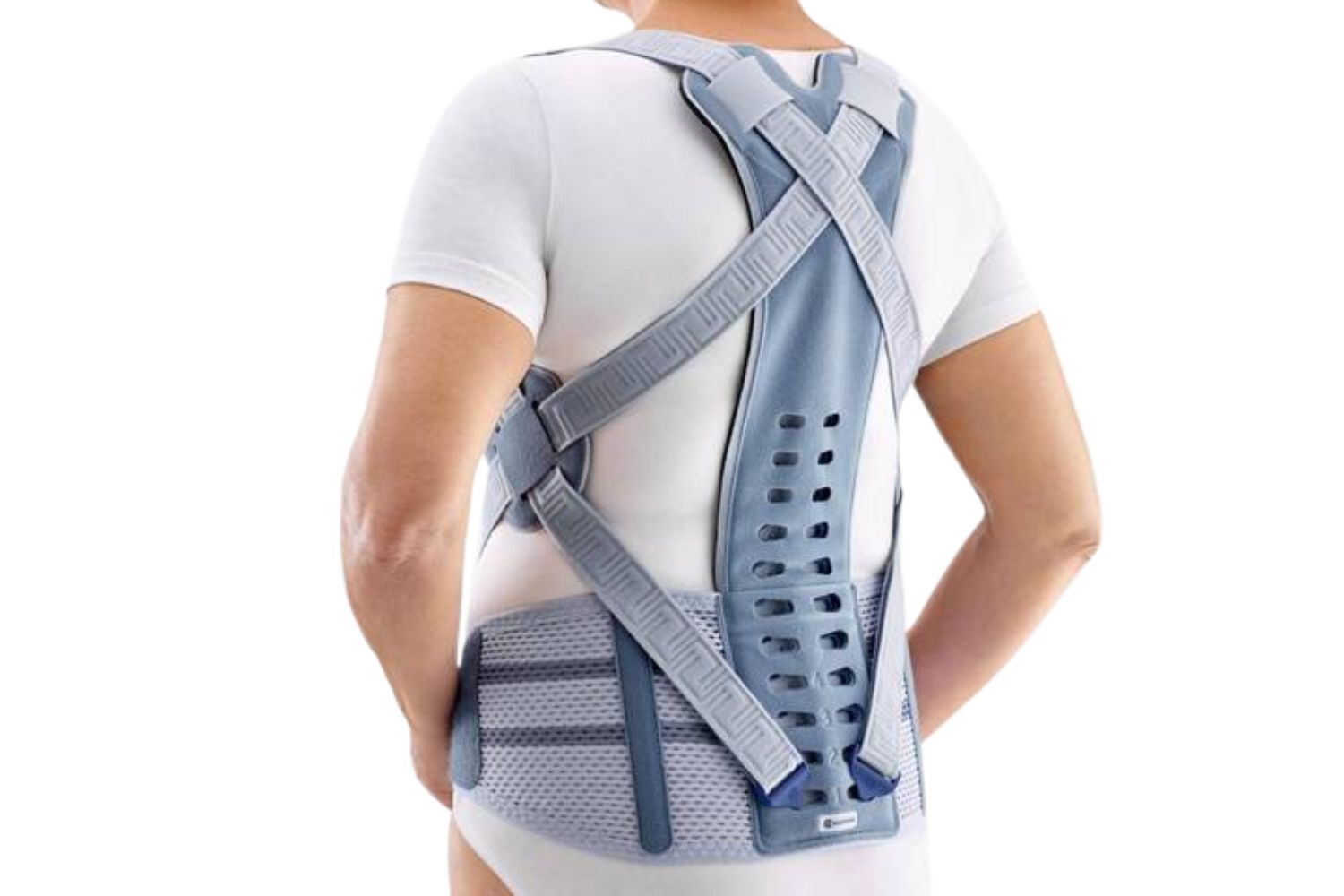
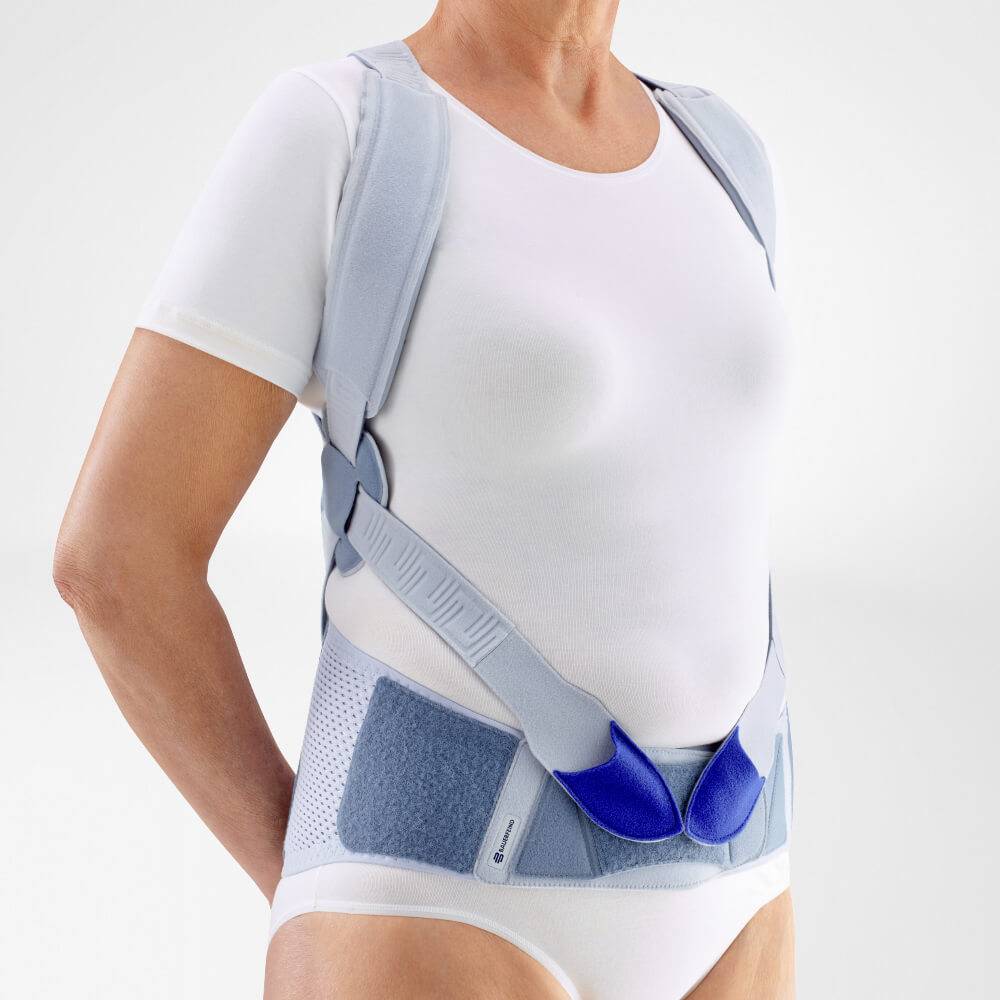
Medical back orthoses are instrumental in both preventing and treating Osteoporosis in the spine. Bauerfeind offers premium braces like the Spinova Osteo, which provide ample support to the spine and help keep the upper body upright.
The reinforced aluminium rods provide stability and encourage healthy body posture.
A tension belt system and a deep-seated pelvic support allow the Spinova Osteo to snugly fit the patient’s back and effectively relieve all back stress. The brace encourages muscle activation and can significantly reduce discomfort and pain.
The additional support provided to the pelvis provides stability and can help minimise the risk of falls. The breathable and skin-friendly material makes it perfect for daily use and is highly recommended for a swift recovery.